
The complete guide
Buying Guide
What this is
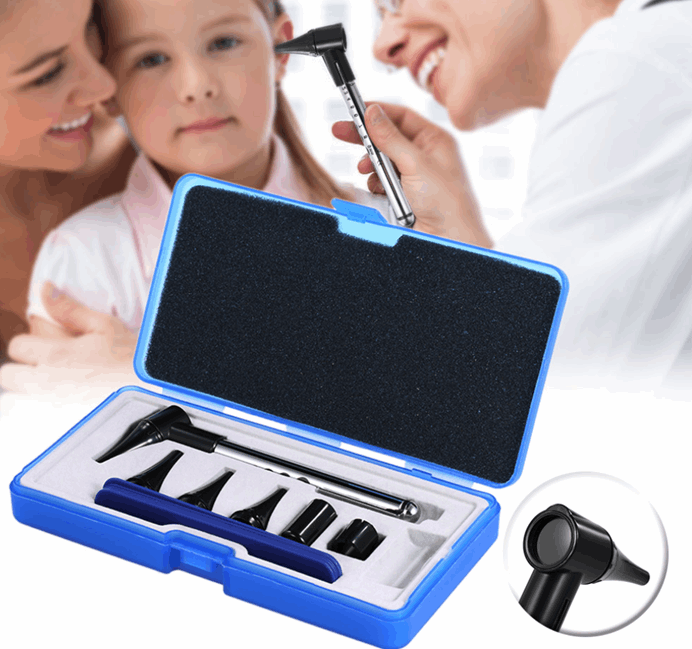
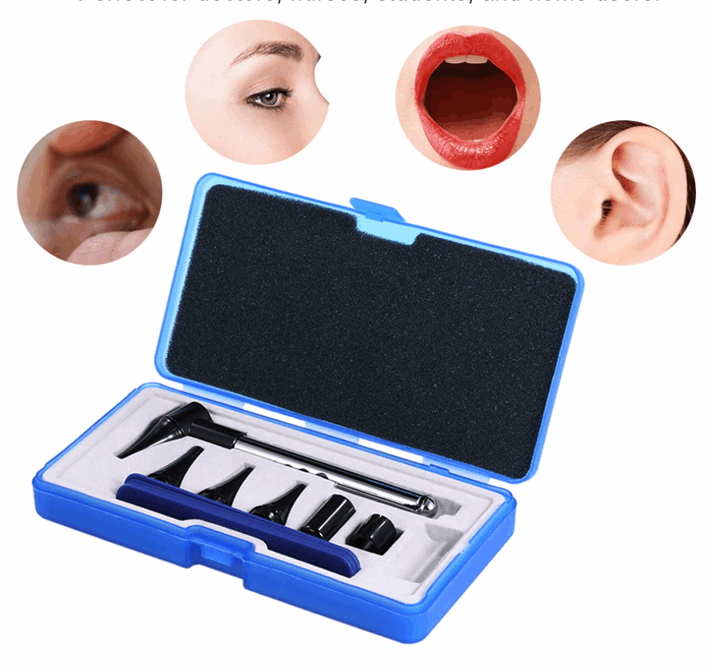
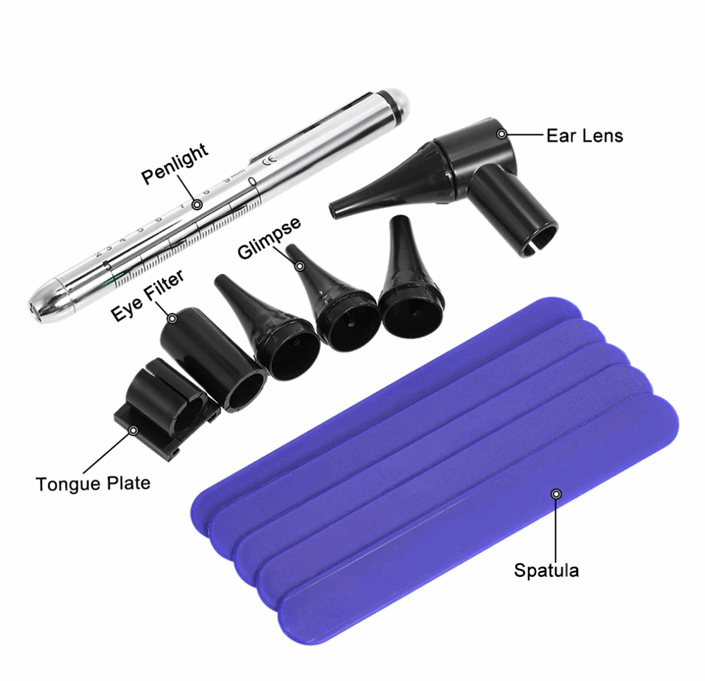
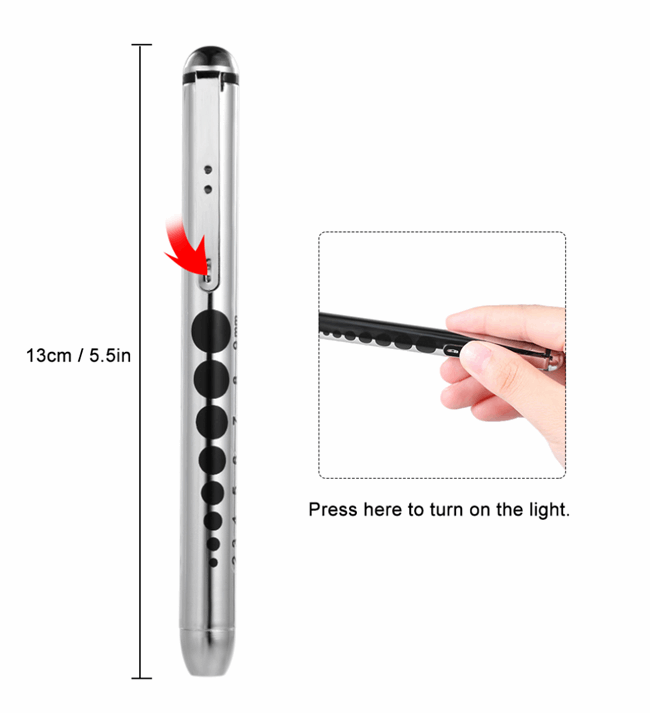
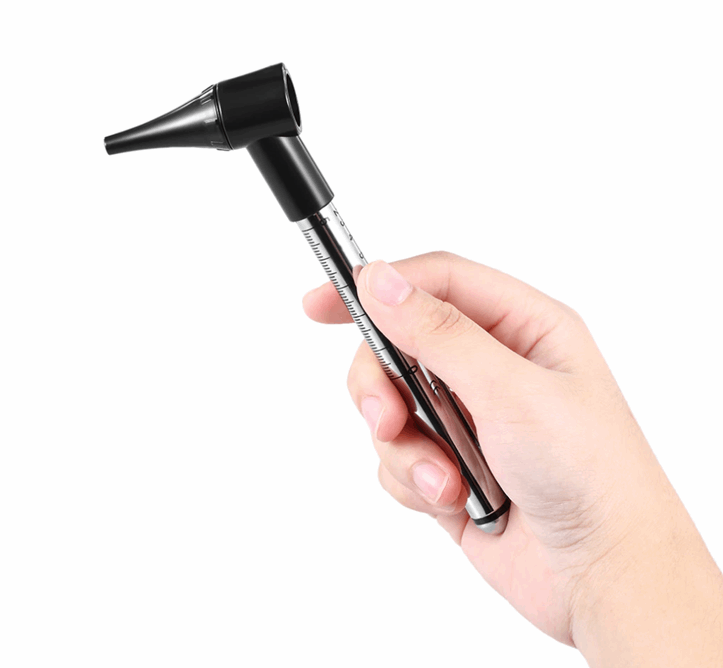
A fibre optic otoscope: a hand held instrument with a bright LED and a magnifying lens, used to look into an ear canal. Ours is stainless steel and ABS, about 13cm long, in silver and black, and it comes in a hard case with a set of reusable speculum tips.
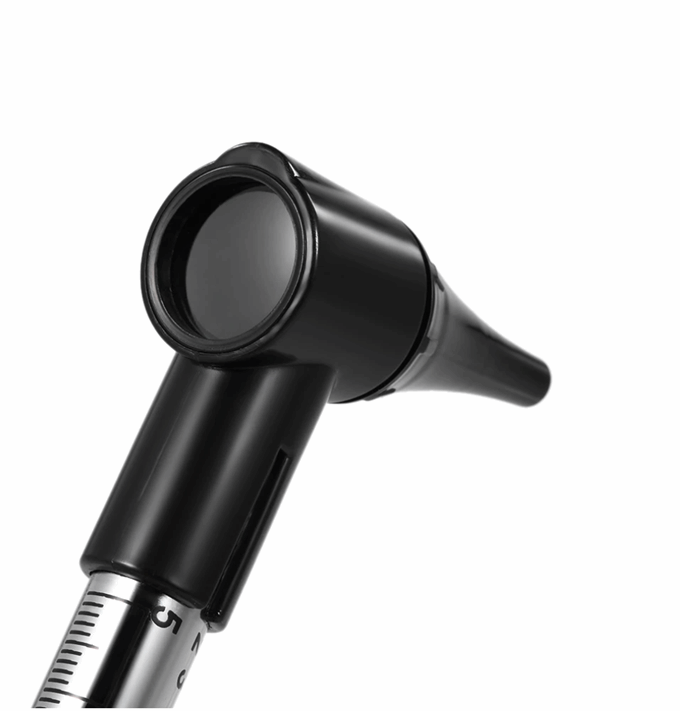
The optics are the part worth paying attention to. The lens is optical glass at three times magnification with a scratch resistant coating, and the LED runs at roughly 18.5 lumens at its most effective. That is enough light to see the canal wall and the eardrum clearly in an ordinary room.
What it is for, and what it is not for
It is for LOOKING. Someone else holds it and looks into your ear; you cannot use one on yourself, because you cannot see round the corner.
It does not diagnose anything, and nothing you see through it replaces an examination by a clinician. If an ear hurts, is discharging, is blocked, or hearing has changed, that is a reason to book an appointment rather than a reason to buy an instrument.
It is also not a wax removal tool. Nothing goes into the canal.
Using it
Put the speculum tip on that suits the ear you are looking into: the set runs from infant sizes up to adult. Pull the outer ear gently up and back to straighten the canal. Rest the tip just inside the opening. Do not push, and stop at once if it is uncomfortable.
Looking after it
Three AAA batteries, which are not included, and both the bulb and the batteries can be replaced when they go. Wash the tips in warm soapy water and dry them fully; they are reusable, but they should not go in a dishwasher or an autoclave.
The other things people use them for
The speculum and the light also give a quick look at a nostril or the back of the throat, which is why it is sold as an ENT kit. Outside that, people keep one for close work: checking a hearing aid port, looking for debris in tubing, reading a serial number that has worn away.